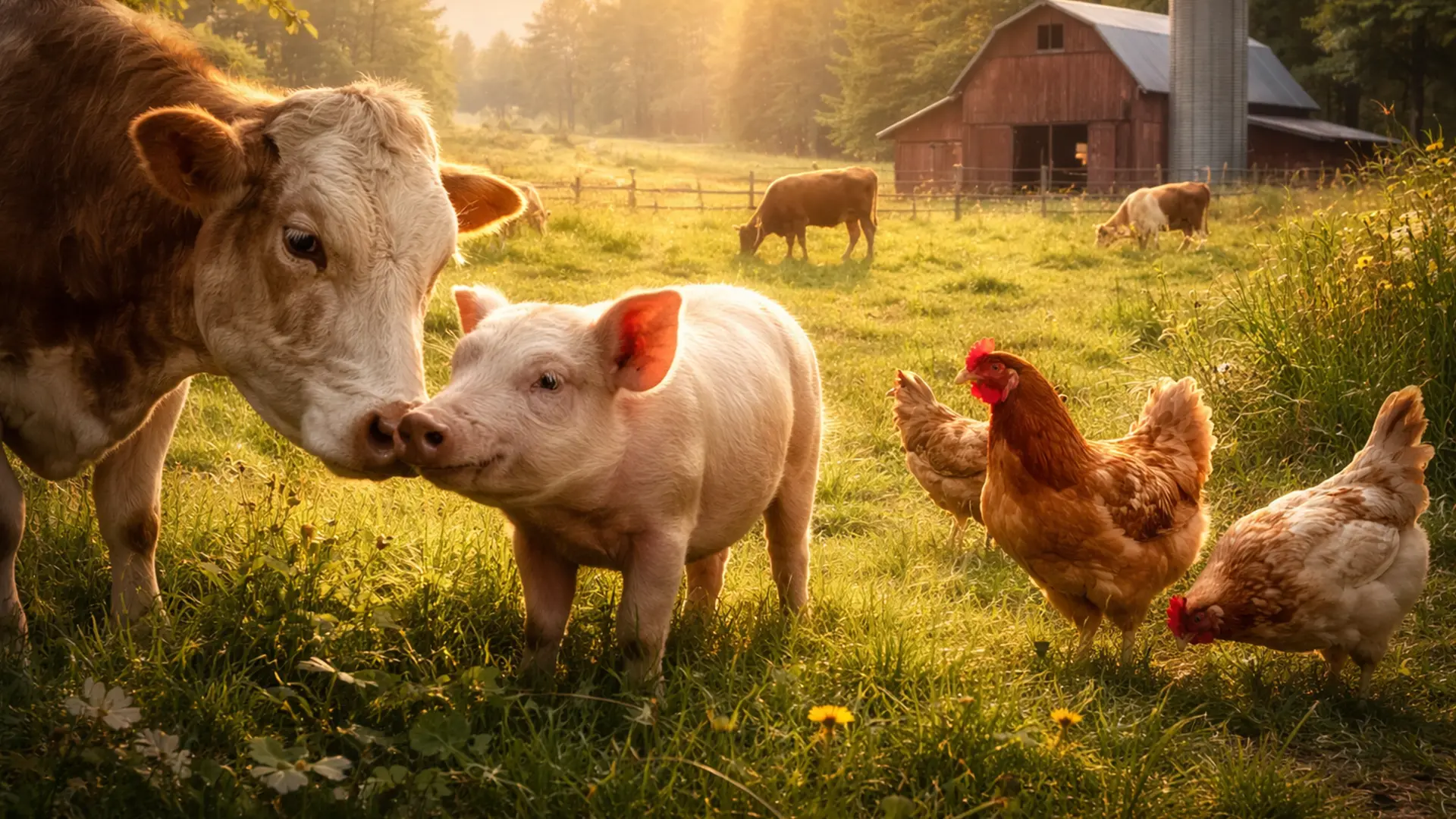
The real price of food we dont see

The real price of food we don’t see

Food is more than what we pay at the store. Its true cost unfolds through health, environment, and the systems that quietly support everyday life.

What is the real price we pay when we buy and consume a certain type of food?

Hidden costs

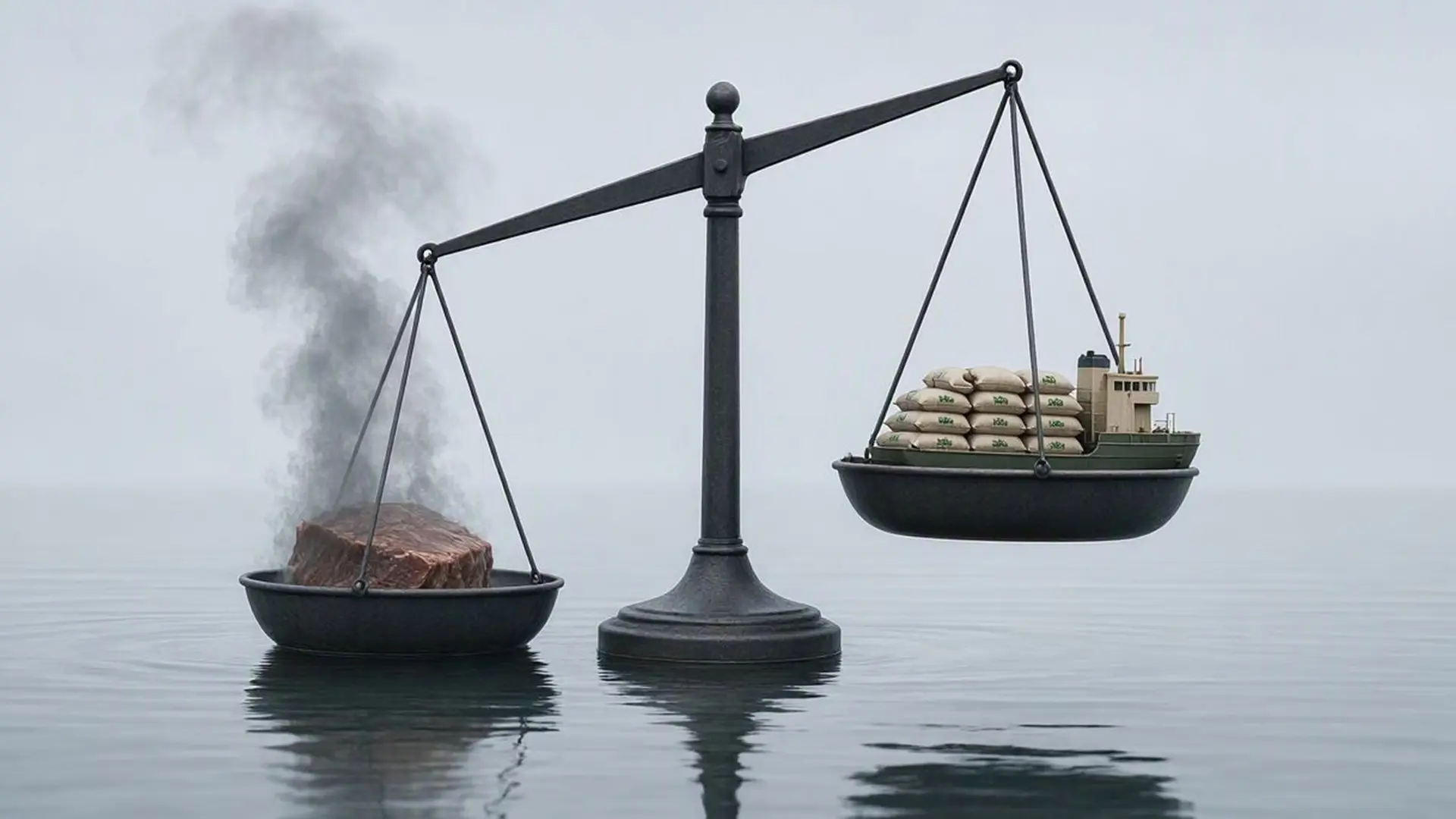
The true cost of food is far more than what we pay at the grocery store. In order to have a true cost accounting, in addition to the costs associated with food production and distribution processes, the resulting environmental and health impacts must also be examined.

Exploring these lesser-known costs is the first step toward reducing them.

The hidden costs of the global food system

Measuring what we don’t see

Since 1947, the United Nations Food and Agriculture Organization has released an important and widely read report called The State of Food and Agriculture, known in the food sector as SOFA. This report examines how much more our food costs beyond what consumers pay at the grocery store.

The 2023 report calculates that the global hidden costs of the agrifood system amounted to up to US$12.7 trillion more than consumers paid at retail. That is equivalent to around $5 per person per day worldwide.

The report reveals clear patterns. Of the $12.7 trillion in worldwide hidden costs, 39% are generated by upper-middle-income countries and 36% by high-income countries.

In wealthy countries, 84% of hidden costs are caused by the consumption of large amounts of red meat and ultra-processed foods. This type of diet is associated with an increase in chronic diseases, reduced working capacity, and rising costs of healthcare systems.

Environmental costs of food production

Environmental impact

Food production also has significant environmental costs. One of the most visible negative impacts is nitrogen runoff, the movement of excess nitrogen compounds from land into water bodies.

Nitrogen compounds, mainly nitrates from fertilizers and sewage, are carried by rain and irrigation into rivers, lakes, and seas. This process causes massive algae blooms that deplete oxygen in water, leading to fish kills and loss of biodiversity.

Other negative environmental impacts include deforestation, greenhouse gas emissions, and pollution from various types of waste. Together with nitrogen runoff, these impacts account for about 20% of the global hidden costs of food production. Other environmental costs, such as those related to species loss, are not included in the analysis.

Climate change and rising food prices

Environmental impact

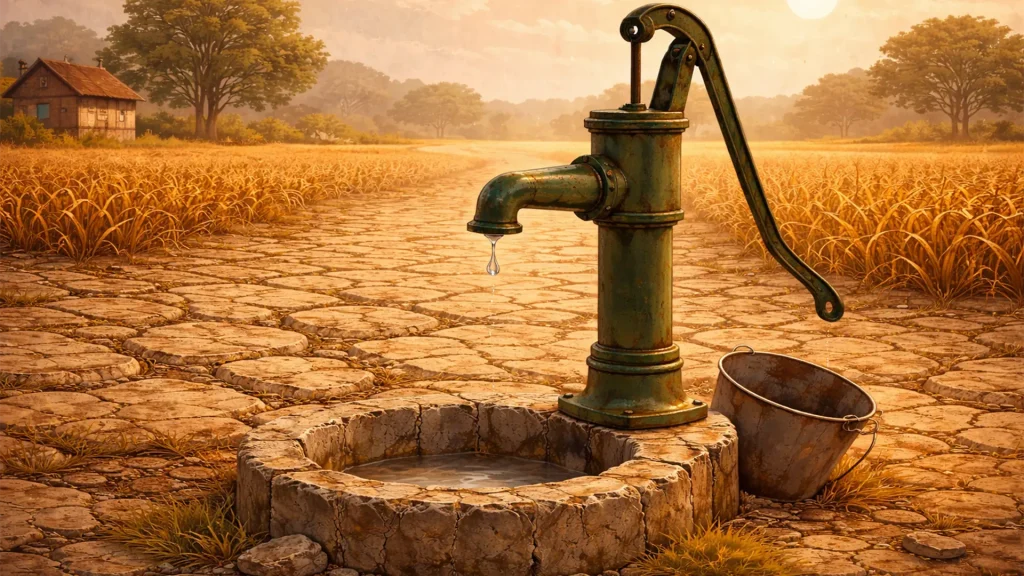
The negative impact of modern civilization on the environment is reflected in rising temperatures and changing precipitation patterns. These changes result in alternating droughts and floods, weaker crop growth, soil erosion, and nutrient depletion.

As more arable land is affected by multi-year droughts, farmers increasingly rely on groundwater, which is being depleted at an alarming rate. As the planet continues to overheat and groundwater reserves decline, food prices are expected to keep rising in the coming decades.

Organic and healthy food costs

Price versus value

Organic food is generally more expensive than conventional food because organic production is more labor-intensive than large-scale industrial agriculture.

Supply and demand also play a role. Although demand for organic food has more than doubled over the past ten years, supply remains significantly lower.

Another factor is policy. Organic certification is costly and time-consuming, which further increases prices.

However, if we were to include the costs of soil erosion, water and air pollution, exposure to pesticides and antibiotics, deforestation, and species extinction, we would likely conclude that organic and permaculture-based food systems are more profitable overall. They have a more positive impact on the environment, animal welfare, and human health.

A good example is the long-term trial conducted by the Rodale Institute, which compared conventional and organic farming systems over several decades. The results showed that:

• yields in organic production, without synthetic fertilizers and pesticides, were not lower than in conventional systems
• in extreme weather conditions such as droughts, organic production achieved up to 30% higher yields
• organic cultivation increased soil thickness, microbial biomass, biodiversity, and biological activity
• organic practices improved water infiltration without the accumulation of toxic substances

How we can influence the transformation of the food system

Looking at the full picture

One way to influence change is through government policy. Current policies often artificially lower food prices by subsidizing the livestock industry and large-scale monocultures such as soy, corn, and wheat. A shift toward subsidizing organic and regenerative agriculture, as well as small and medium-sized producers, would have a significantly different impact.

Globally, 87% of agricultural subsidies support the production of cheap food, the use of chemical fertilizers and pesticides, the overuse of natural resources, and emissions-intensive products. These subsidies create major social and environmental damage.

Without such subsidies, products like meat, milk and dairy, high-fructose corn syrup, white bread, and various additives would be several times more expensive. This would encourage producers to transition from conventional to organic and regenerative systems, increasing the supply of healthier food and making prices more affordable in the long term.

Another way to drive change is through individual choices. By raising awareness and making more informed food decisions, each of us can contribute to a healthier and fairer food system.

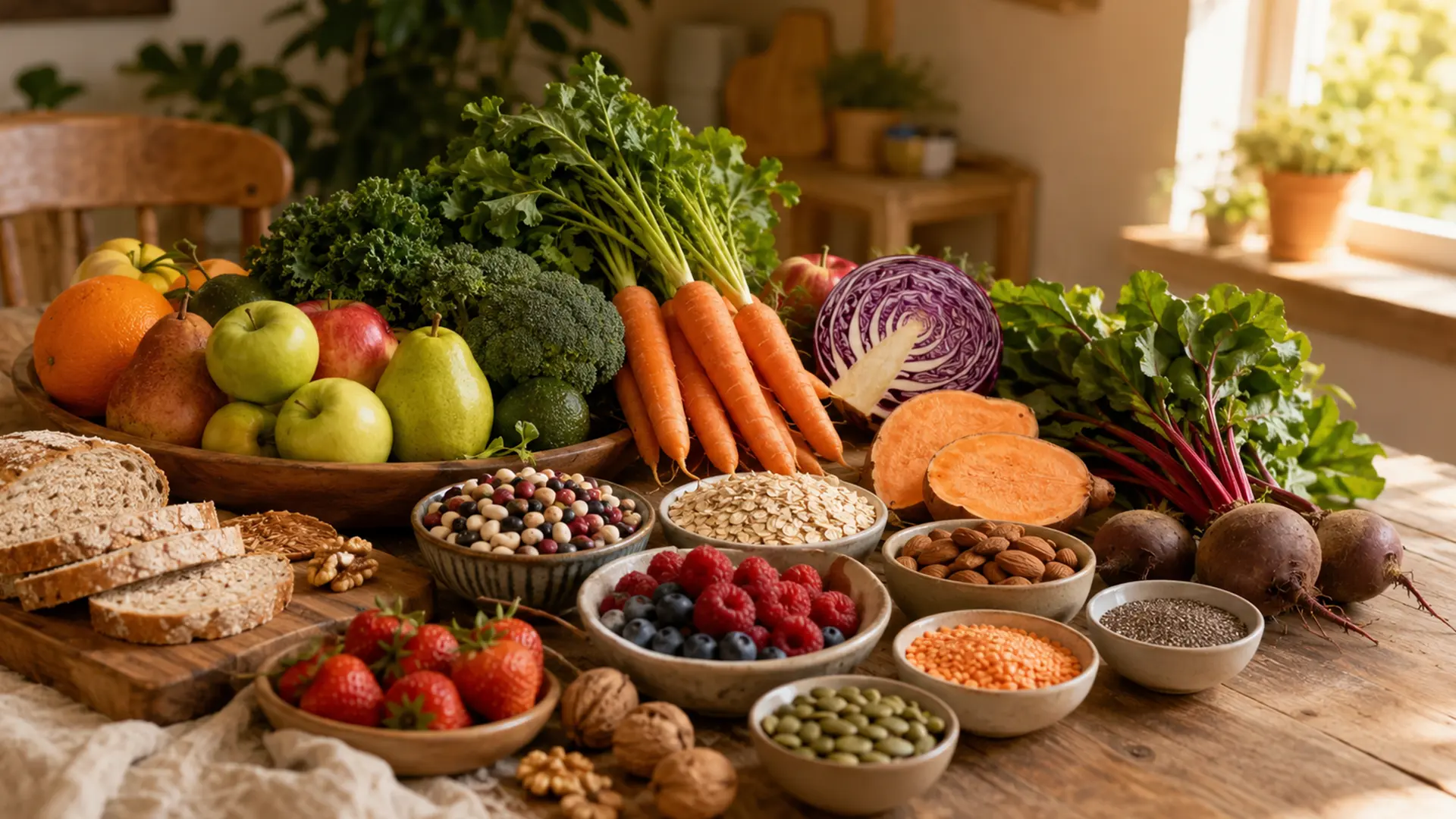
Reducing the consumption of animal products and prioritizing nutrient-dense foods over calorie-dense ones benefits not only personal health, but also the overall health of the planet and all its inhabitants.

Read more from Floretika

Explore related articles that dive deeper into food systems, health, emotions, ecology, and ethical choices. Each text builds on the same idea: understanding food better helps us live in balance with ourselves and the world around us.
Chronic disaese of planet earth illustration
Blog

Chronic Disease of Planet Earth – Part 3

In the third part, explore why the recommendation for an exclusively “local” diet is an ecological myth, how commercial fishing turns our oceans into microplastic factories, and why artificial fish farming poses a new threat to both the planet and human health.

Continue reading →

Stay connected

Occasionally, I share reflections, new guides, and insights around food, health, and conscious choices. If you’d like to receive these updates, you can join the newsletter.

No pressure. No noise. Just thoughtful content, sent with care.