
Healthy Food as a daily choice

Food as a daily choice, not a diet

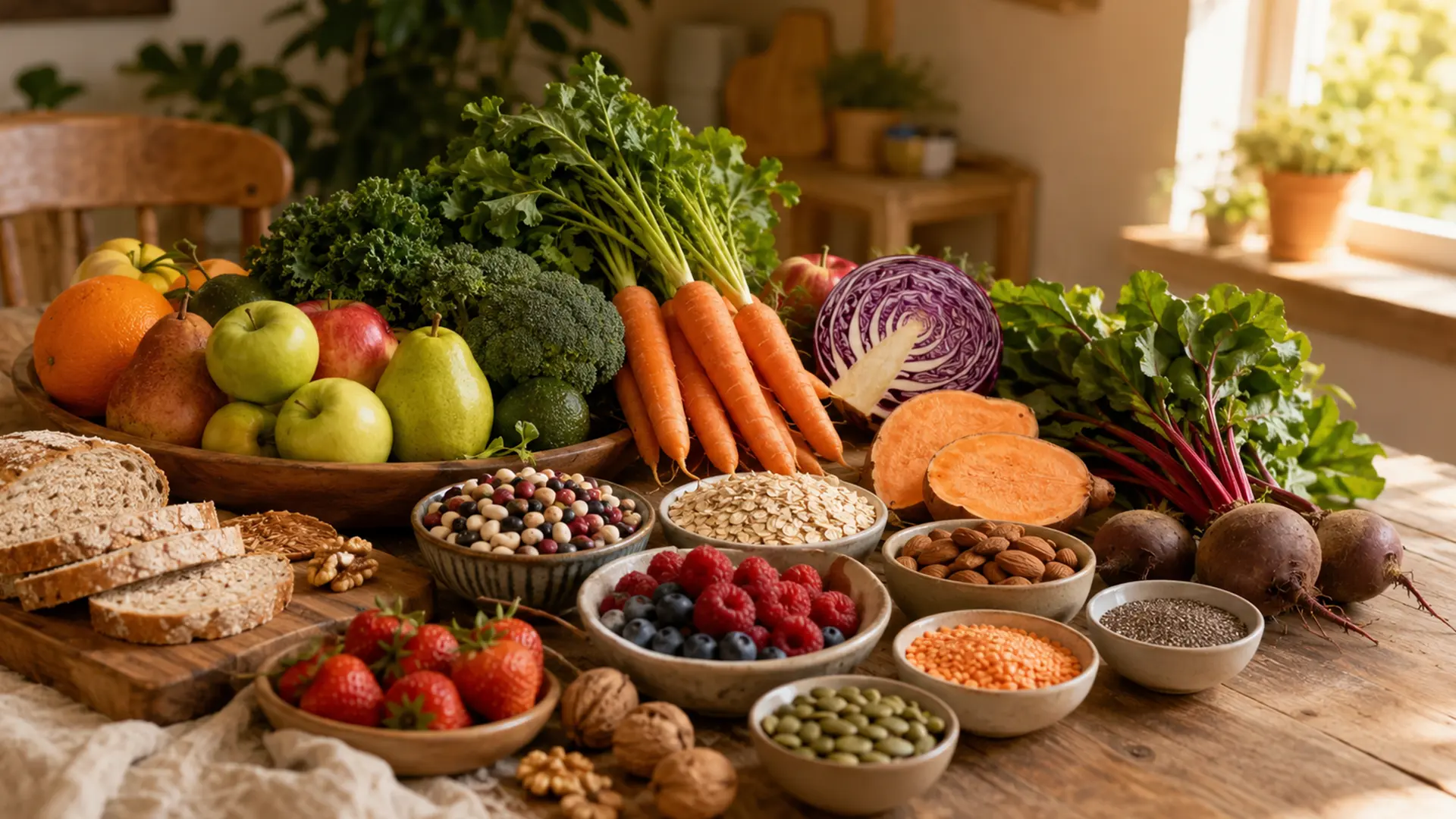
Food is not a short-term solution or a set of rules to follow. It is a daily choice that shapes our habits, emotions, health, and the world around us.
When food is approached as a diet, the focus is usually on restriction, control, and short-term results. When it is understood as a daily choice, food becomes part of a broader context that includes lifestyle, environment, and long-term wellbeing.

Food choices are part of everyday systems

Daily patterns

Food does not act in isolation. The way we eat is connected to how we sleep, move, manage stress, and interact with our surroundings. These daily patterns influence energy levels, digestion, emotional stability, and overall resilience.

In this sense, food choices are not only nutritional decisions. They reflect the conditions we live in and the rhythms we follow. When daily rhythms are constantly disrupted, food often becomes a compensatory mechanism rather than a source of nourishment.

From control to responsiveness

Awareness rather than perfection

Balance is often framed as something to achieve and maintain through discipline. In reality, balance is dynamic and changes with circumstances, seasons, and needs.

Food choices work the same way. What supports the body at one stage of life may not be appropriate at another. Treating food as a fixed set of rules ignores this variability and often leads to frustration or disengagement.

A daily-choice approach allows flexibility and adjustment. It supports responsiveness rather than control, and awareness rather than perfection.

Food, balance, and long-term health

Quality of life

Highly processed foods are designed for convenience and immediate reward, but they often disrupt natural regulatory systems related to appetite, metabolism, and emotional regulation. Over time, this contributes to patterns associated with chronic health conditions and reduced quality of life.

Viewing food as a daily choice shifts attention from short-term outcomes to long-term effects. It supports prevention, stability, and the gradual development of healthier habits that align with both personal wellbeing and environmental sustainability.

Food within a wider context of balance

Life in balance

Food is one of several interconnected elements that influence balance. It interacts with sleep, movement, pace of life, emotional state, and environmental conditions.

Understanding food in this broader context helps explain why lasting change rarely comes from rigid diets. Sustainable change develops through small, consistent adjustments that respect both individual needs and the systems we depend on.

This perspective is explored further in Life in balance, where food is understood as part of an ongoing relationship between the body, the environment, and daily life.

Read more from Floretika

Explore related articles that dive deeper into food systems, health, emotions, ecology, and ethical choices. Each text builds on the same idea: understanding food better helps us live in balance with ourselves and the world around us.
Chronic disaese of planet earth illustration
Blog

Chronic Disease of Planet Earth – Part 3

In the third part, explore why the recommendation for an exclusively “local” diet is an ecological myth, how commercial fishing turns our oceans into microplastic factories, and why artificial fish farming poses a new threat to both the planet and human health.
Continue reading →

Stay connected

Occasionally, I share reflections, new guides, and insights around food, health, and conscious choices. If you’d like to receive these updates, you can join the newsletter.

No pressure. No noise. Just thoughtful content, sent with care.