

Fiber – A Unique Gift of Plant Based Food

Fiber – A Unique Gift of Plant Based Food

Discover why fiber-rich whole plant foods support gut health, satiety, heart health, brain function, and long-term well-being.

When we think of fiber, we often picture boring nutrition labels on cereal boxes. However, the truth is much deeper and more beautiful. Fiber is a unique gift belonging exclusively to the plant kingdom – you won’t find it in a single gram of meat, dairy, or eggs. It is the invisible architecture of plants that does something wondrous for our bodies: it heals our digestive tract, calms inflammation, and acts as a natural brake in the brain, protecting us from the addiction triggered by modern, ultra-processed food. By choosing fiber-rich food, we are not just choosing gut health, but also the freedom of our mind and the protection of our planet.

Beyond the Numbers: The Whole Food Package

Modern nutrition often traps us in “tunnel vision,” forcing us to obsess over individual macronutrients – carbohydrates, proteins, and fats. These elements are essential for our survival and provide us with energy. However, reducing our meals to mere numbers and grams makes us miss the most important question: What is the source of these nutrients?

Our ultimate goal is to live a long, vibrant life. To achieve this, we need to focus on the entire nutritional package rather than isolated components.

Lessons from the Blue Zones

The world’s longest-living populations, found in the Blue Zones, teach us that there is no single “magic ratio” of macronutrients. For instance:

Okinawa, Japan: Their traditional diet is exceptionally low in fat.

Ikaria, Greece: Their traditional diet is high in fat.

Yet, both populations achieve incredible longevity. The secret does not lie in the exact percentage of fat or carbs on their plates. It lies in the fact that their macronutrients are largely packaged within whole plant foods, which are naturally rich in fiber, micronutrients – vitamins and minerals, and protective phytochemicals.

The Trap of Individual Nutrient Trends

Modern dietary trends are often strictly defined by individual macronutrients, which can easily lead to severe nutritional imbalances:

  • High-Animal Protein Protocols: When a diet is heavily dominated by animal proteins, studies consistently show a long-term impact on overall health. A high intake of these proteins can reduce longevity and increase the risk of chronic illnesses, such as cardiovascular diseases, Type 2 diabetes, and certain cancers.
  • Extreme High-Fat Regimens: Diets that rely almost entirely on fats for fuel often rank lowest in global healthy eating categories because they can be profoundly nutritionally deficient. They are dangerously low in fiber and heavily packed with saturated fats that can
    negatively impact heart health.

Sifting the Truth: Minimizing Carbs Means Minimizing Plants

There is a crucial truth we must understand: when we minimize carbohydrates, we are inherently minimizing plants. Almost all whole plant foods are naturally rich in carbohydrates.

A vibrant, whole-food, plant or predominantly plant-based lifestyle is inherently rich in complex carbohydrates. Instead of viewing macronutrients as dietary villains or heroes, we invite you to shift your focus. Let us embrace a wide, colorful variety of high-quality, whole plant foods – the only place where nutrients come perfectly balanced by nature, complete with the unique gift of fiber.

Nature’s Broom and the Shield for Your Heart and Brain

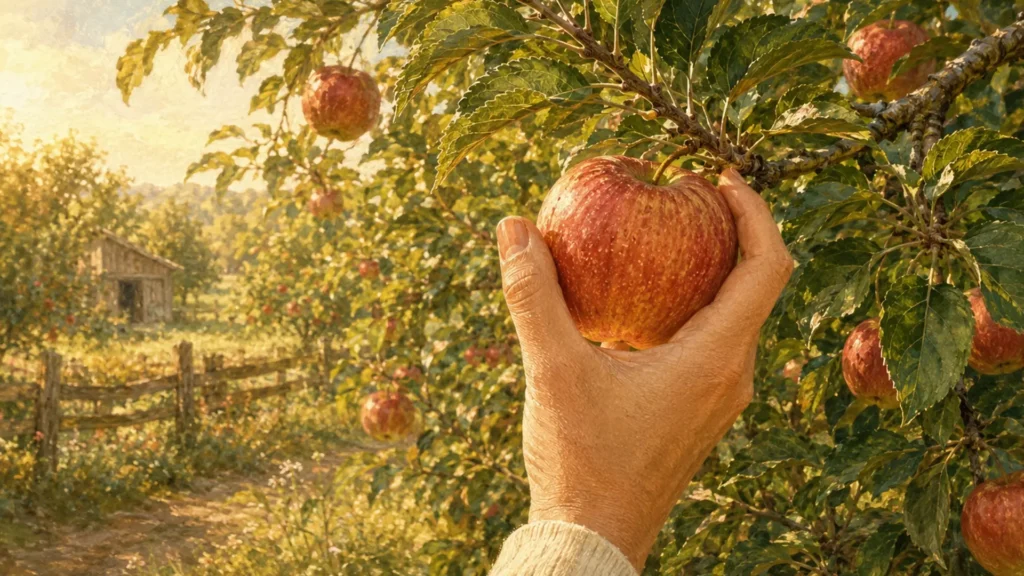
Apple and hand illustration Floretika

Fiber is, in essence, an indigestible carbohydrate. Since our human enzymes cannot break it down, it reaches the large intestine where it becomes precious food for our microorganisms. They are rightfully called the body’s “nature’s broom” as they help food move smoothly, efficiently, and regularly through the digestive tract.

However, fiber is not just passing through; it actively communicates with our mind. When we eat plenty of fiber, we nourish our friendly gut bacteria. In return, this well-fed flora produces short-chain fatty acids (SCFAs) that cross the blood-brain barrier, reducing neuroinflammation and protecting our brain from cognitive decline. By keeping our bacteria happy, fiber directly supports every single body system, including the brain.

Beyond protecting our brain and being a digestive aid, whole plant fiber performs incredible feats for our entire body:

  • The Satiety Signal: Fiber absorbs water and expands, helping us feel fuller and truly satiated after we eat. This naturally helps control hunger and prevents overeating.
  • The Cholesterol Magnet: Fiber binds to cholesterol in the digestive system and helps drag it out of the body, significantly reducing the risk of cardiovascular diseases.
  • The Glucose Anchor: By slowing down digestion, fiber manages blood sugar levels, dramatically lowering the risk of prediabetes and Type 2 diabetes.

"Functional Fiber": A Modern Marketing Trap

As people become more aware of the importance of fiber, the food industry has found a way to mimic health. This is done through what experts call functional fiber – fiber that has been isolated from plants or synthesized, and then added to highly processed foods outside of its natural matrix. 

You might find a box of heavily processed cookies or snacks with a label proudly boasting “High in Fiber.” Do not be deceived. This fiber is merely a mask used to make the product look much healthier than it actually is.

While they might technically change the number on the nutrition label, these processed foods remain nutrient-deficient, low in vitamins, and highly addictive for the brain. The rule of thumb for true health is simple: we should get our fiber from whole plant foods, exactly as nature packaged them, rather than from ultra-processed packages with added functional fibers.

Read more from Floretika

Explore related articles that dive deeper into food systems, health, emotions, ecology, and ethical choices. Each text builds on the same idea: understanding food better helps us live in balance with ourselves and the world around us.
Chronic disaese of planet earth illustration
Blog

Chronic Disease of Planet Earth – Part 3

In the third part, explore why the recommendation for an exclusively “local” diet is an ecological myth, how commercial fishing turns our oceans into microplastic factories, and why artificial fish farming poses a new threat to both the planet and human health.

Continue reading →

Stay connected

Occasionally, I share reflections, new guides, and insights around food, health, and conscious choices. If you’d like to receive these updates, you can join the newsletter.

No pressure. No noise. Just thoughtful content, sent with care.