

Life in balance
How health, environment, and daily life support one another
Balance as a living process
Balance is not something we achieve once.
It is something we continuously respond to.

Balance is not elsewhere
Body, environment, and rhythm
Living in context
- Sleep
- Movement
- Seasons
- Pace
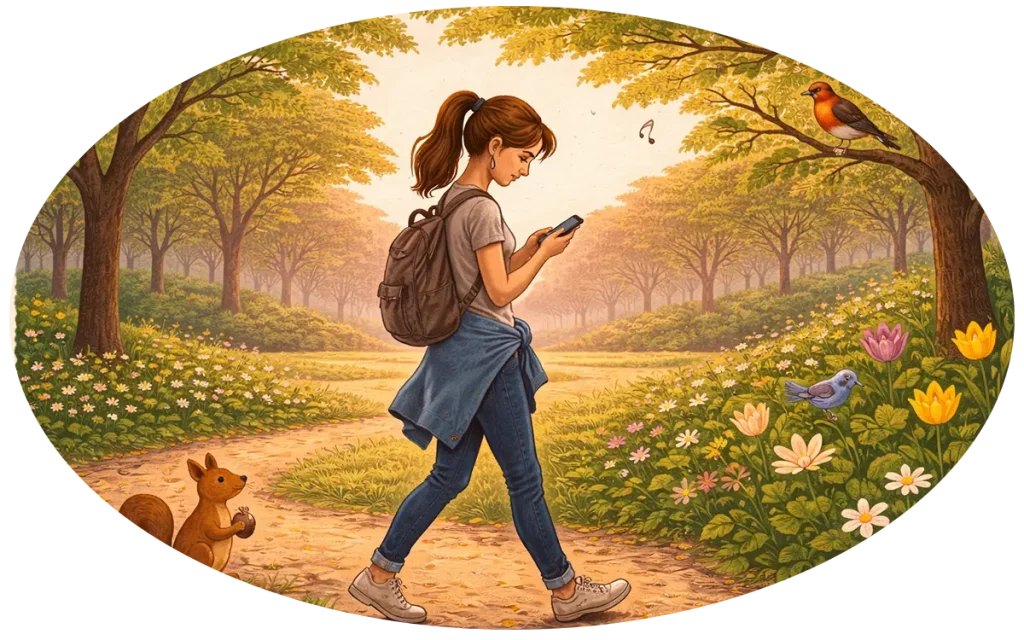
When balance is disrupted
Imbalance rarely arrives suddenly.
It builds quietly, as natural rhythms are replaced by constant stimulation and demand.
Stress, fatigue, and tension often appear because the body and mind are no longer given space to adjust.
Disconnection from nature, continuous information flow, and excess choice
create a sense of overload rather than nourishment.
When everything is available all the time, nothing has time to settle.
Balance fades not through lack of effort, but through lack of pause.
- Stress
- Exhaustion
- Overload
- Disconnection
Returning to balance, not controlling it
A different way of relating
Balance is not something we enforce or manage.
It emerges when we learn to listen.
Returning to balance begins with attention.
Not rigid rules, but awareness of signals from the body, the environment, and daily life.
Small shifts matter.
Pausing, noticing patterns, adjusting gently rather than correcting forcefully.
Instead of controlling everything in our lives, we should allow challenges to happen. Only then does balance refine itself through adaptation and care, rather than unnatural strain and effort.
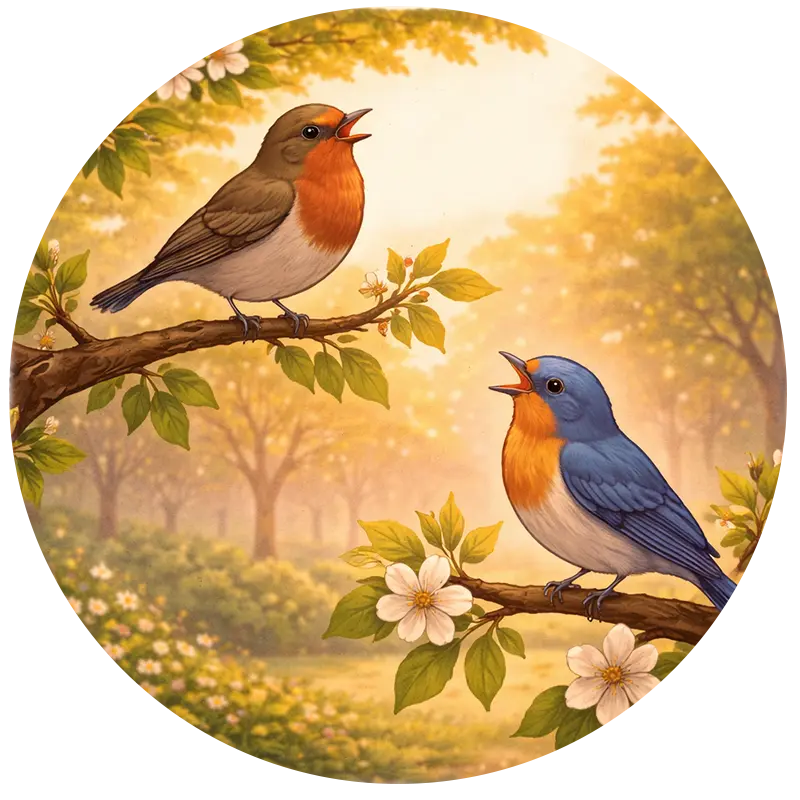
Learning through attention
Harmony within larger systems
Wholeness
Life in balance does not exist in isolation.
It depends on how we grow and sustain our food, how we care for nature and animals, and how we relate to our own lives.
Balance emerges from the place where these values meet.
Not as a fixed state, but as an ongoing relationship between people, nature, and time.
Modern food industry
How the modern food industry shapes our daily choices.
What we eat, and the price we pay.
Animals and our food choices
How our food choices shape our relationship with animals. Food is never just about nutritional value.
Forest protection
Why forests and healthy ecosystems are vital for human well-being and the future of life on Earth.
Ethical food systems
How food choices reflect values, responsibility, and long-term thinking.
Whole Food & Health
How simple, nourishing food can support balance, energy, and everyday well-being.
Emotions & eating habits
How emotions and empty calories shape our relationship with food and create unhealthy habits.